What are your opinions about When Should You Replace Your Hot Water Heater??
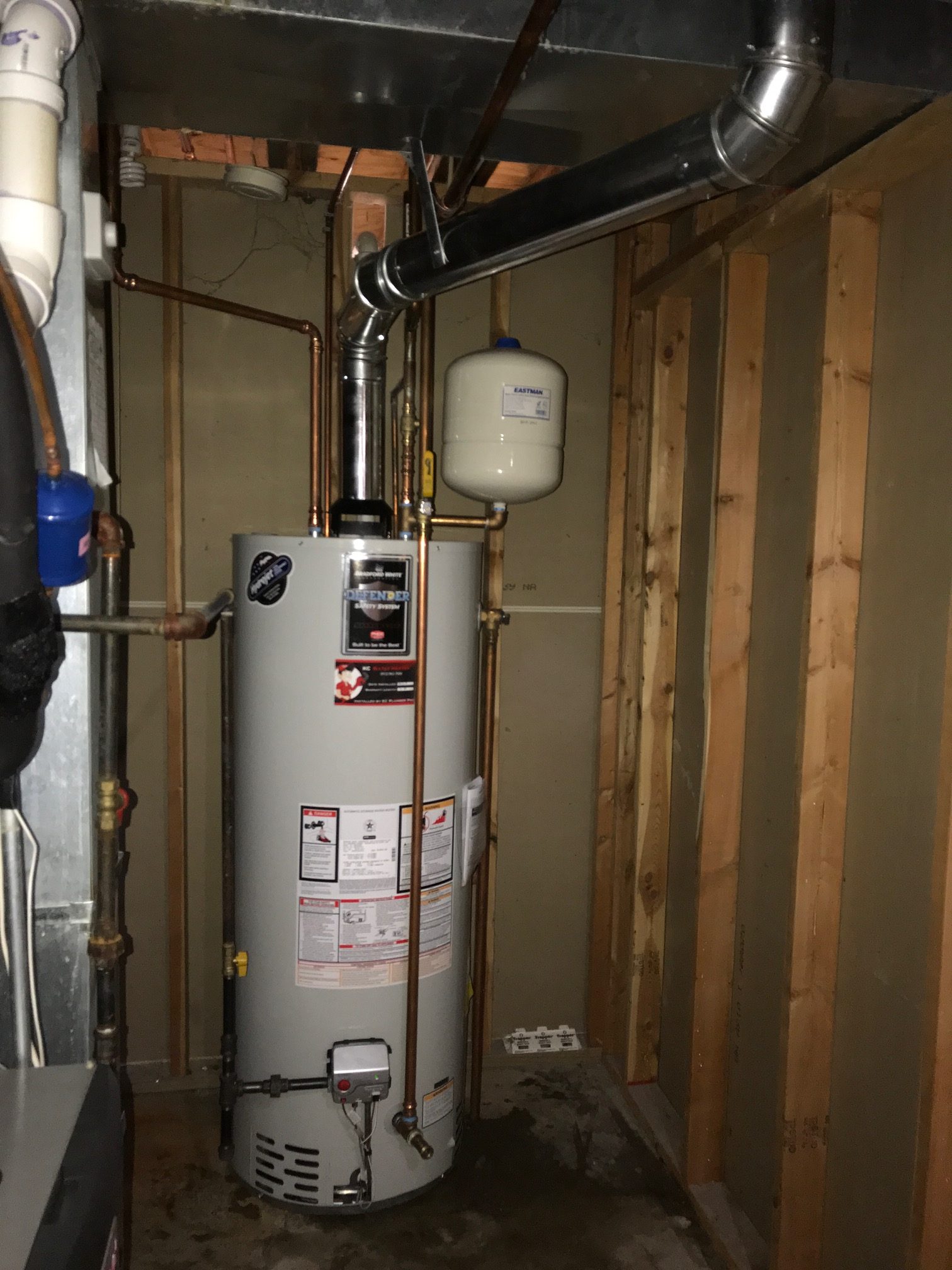
Occasionally, the lag in your heating system is just a result of showering too much or doing loads of laundry. However, there are circumstances when your equipment needs fixing so you can proceed enjoying hot water. Do not wait on damaged water heaters to offer you a huge headache at the top of winter.
Instead, discover the warning signs that indicate your hot water heater is on its last leg before it completely collapses. Call your plumber to do repair work prior to your device totally falls short as well as leakages anywhere when you discover these six red flags.
Listening To Odd Sounds
When uncommon sounds like touching and also knocking on your machine, this shows sediment build-up. It belongs to sedimentary rocks, which are tough as well as make a great deal of sound when banging versus steel. If left unattended, these items can create rips on the steel, causing leakages.
You can still save your water heating system by draining it and cleansing it. Just be cautious because dealing with this is harmful, whether it is a gas or electrical unit.
Producing Insufficient Warm Water
If there is inadequate warm water for you and your family, yet you have not transformed your intake behaviors, then that's the sign that your hot water heater is falling short. Generally, expanding family members and an extra bathroom suggest that you need to scale up to a larger system to meet your demands.
When everything is the same, however your water heater all of a sudden doesn't satisfy your warm water needs, consider a professional inspection because your device is not doing to criterion.
Experiencing Variations in Temperature Level
Your hot water heater has a thermostat, as well as the water generated must remain around that very same temperature level you establish for the system. Nevertheless, if your water ends up being too cold or too warm suddenly, it could mean that your water heater thermostat is no longer doing its job. So initially, test things out by utilizing a marker as well as tape. Then examine to see later if the marking moves on its very own. It suggests your heating system is unsteady if it does.
Seeing Leakages as well as Puddles
Check to screws, adapters, and pipelines when you see a water leakage. You may just need to tighten up several of them. However, if you see puddles collected at the end of the home heating system, you have to call for an instant assessment due to the fact that it reveals you've got an energetic leak that could be a concern with your container itself or the pipes.
Noticing Odiferous or over Cast Water
Does your water suddenly have an odor like rotten eggs and look dirty? If you smell something weird, your water heater can be acting up.
Aging Past Criterion Life Expectancy
You must take into consideration changing it if your water heating unit is even more than 10 years old. That's the all-natural life expectancy of this device! With proper upkeep, you can expand it for a few more years. In contrast, without a routine tune-up, the lifespan can be shorter. You might take into consideration hot water heater replacement if you know your hot water heater is old, combined with the other concerns stated over.
Don't wait for busted water heating units to give you a large headache at the optimal of winter months.
Your water heating system has a thermostat, as well as the water produced should stay around that same temperature you establish for the system. If your water comes to be as well cold or also warm all of a sudden, it might suggest that your water heater thermostat is no longer doing its task. If your water heater is even more than ten years old, you need to think about replacing it. You may think about water heating system replacement if you recognize your water heating system is old, combined with the various other issues mentioned over.
Recognizing the Signs of a Damaged Water Heater
Winter may be mostly behind us but having hot water in our homes is a necessity year-round. A broken water heater can be a time-consuming and costly problem.
Recognizing the signs of a water heater in distress, and knowing what to do about it, is the best way to avoid a full-blown water heater "meltdown."
Sediment buildup, rust, and high water pressure are some of the most common causes of water heater failure. Improper installation or equipment sizing are other commonly found issues. A leak can occur near the supply line which can cause damage to dry wall or flooring.
Like any appliance, frequent checks can prevent your water heater from becoming a big problem. Try to set an annual reminder to check for water pooling around your water heater and to tighten any loose fittings you might find. The quicker the issue is resolved, the less damage it will cause in the end.
If you do find signs that your water heater is broken or about to burst, the first thing to do is to shut it off. For gas water heaters, twist the dial at the top of the thermostat from ON to OFF. If it’s an electric heater, switch the circuit breaker to OFF.
Once the water heater is turned off follow these steps:
Turn off the water supply. Completely drain the water heater. Open the pressure relief valve. Rinse the water heater with cold water when the unit has finished draining. https://armstrongcomfort.com/Blog/things-that-can-cause-your-water-heater-to-break

As a fervent person who reads on Is Your Water Heater About to Die?, I thought sharing that piece of content was smart. Remember to take the opportunity to promote this blog post if you appreciated it. Thank you for your time. Kindly come by our website back soon.
Dial immediately!